
The port call, written down. So it goes the way the plan said.
Practical writing for masters, superintendents, fleet managers and agents calling the Port of Douala. Insight, proof and hard-earned field notes — updated as we run the work.
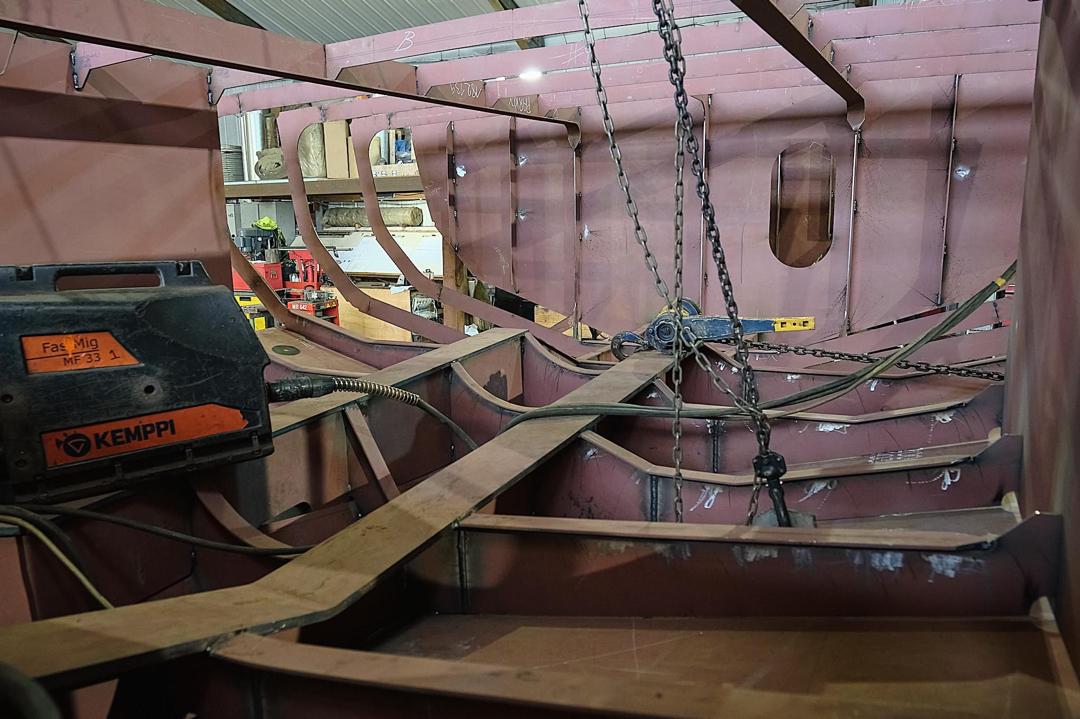
In-situ machining: the jobs you didn't know could be done alongside
Line boring, flange facing, seat lapping — the machining jobs most superintendents assume need a yard, that in fact close in a port stay.
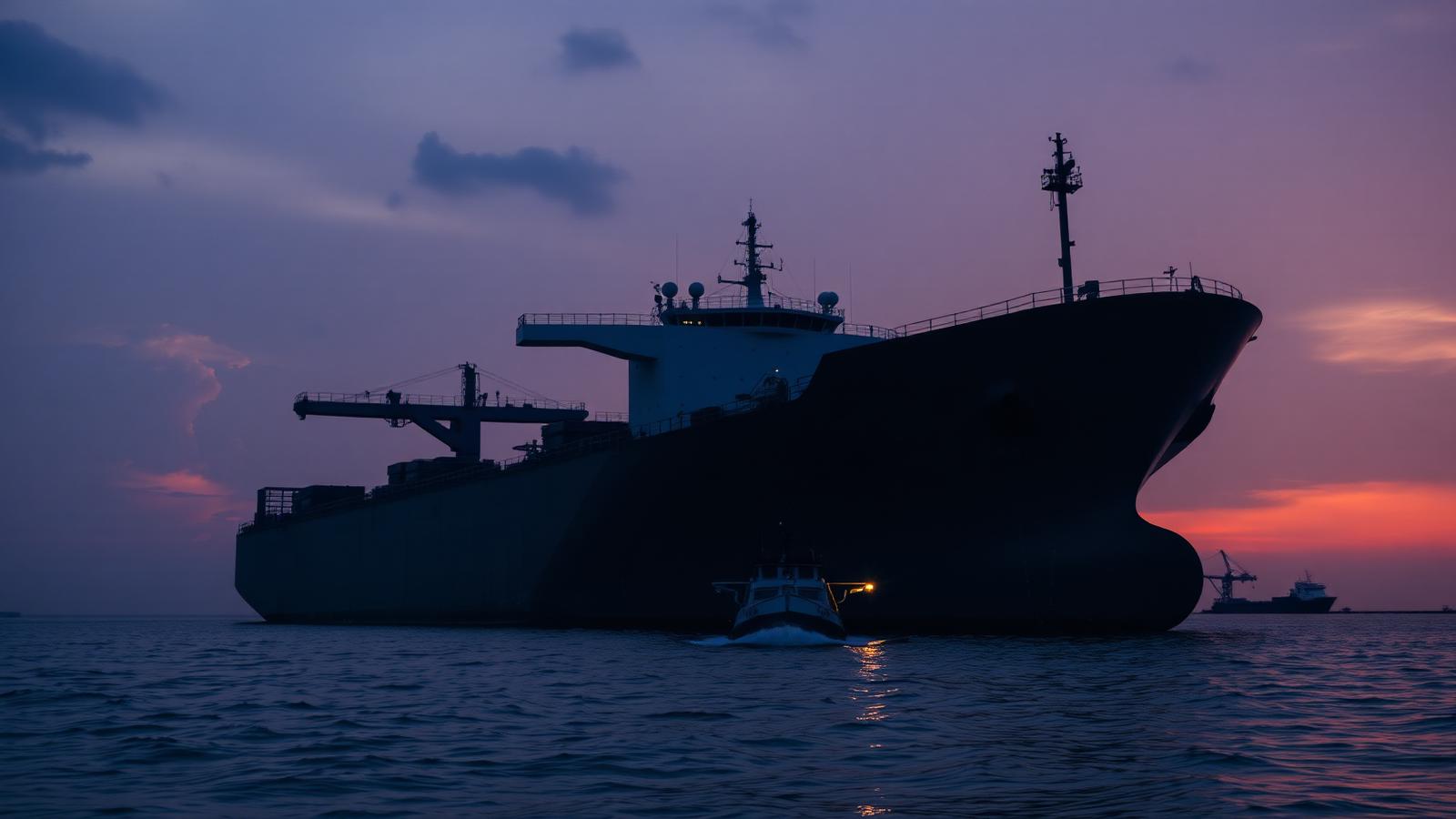
Kribi is growing: what the deep sea port means for vessel support in Cameroon
Kribi's draft, container terminal expansion, and hinterland connections change what a Cameroon call can look like. A practical look at the operational implications.
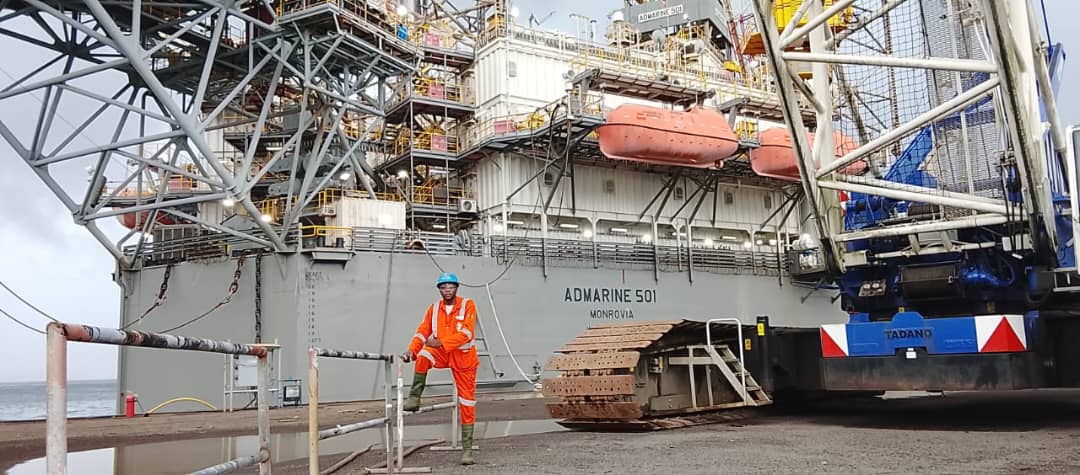
Calling Douala for the first time? The 5 delays every Master hits — and how to avoid them
A first-call Douala arrival guide, distilled from the questions we field every week from Masters and superintendents new to the port.
One call, both services: why splitting chandling and repairs across vendors doubles your coordination risk
Cheaper on paper. More expensive in practice. The three coordination failures that only appear when the shore side is fragmented.
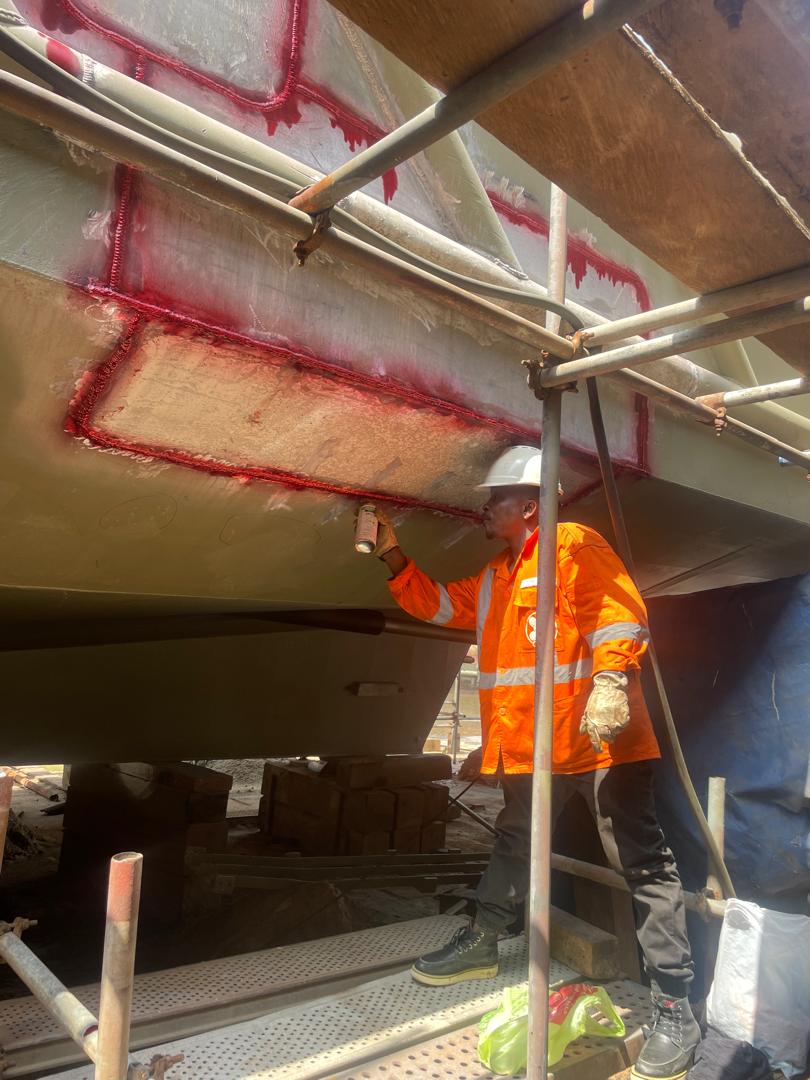
The completion report your technical department actually wants to receive
The template we use for repair completion. Twelve fields, every one of which either the surveyor or the office will ask about.
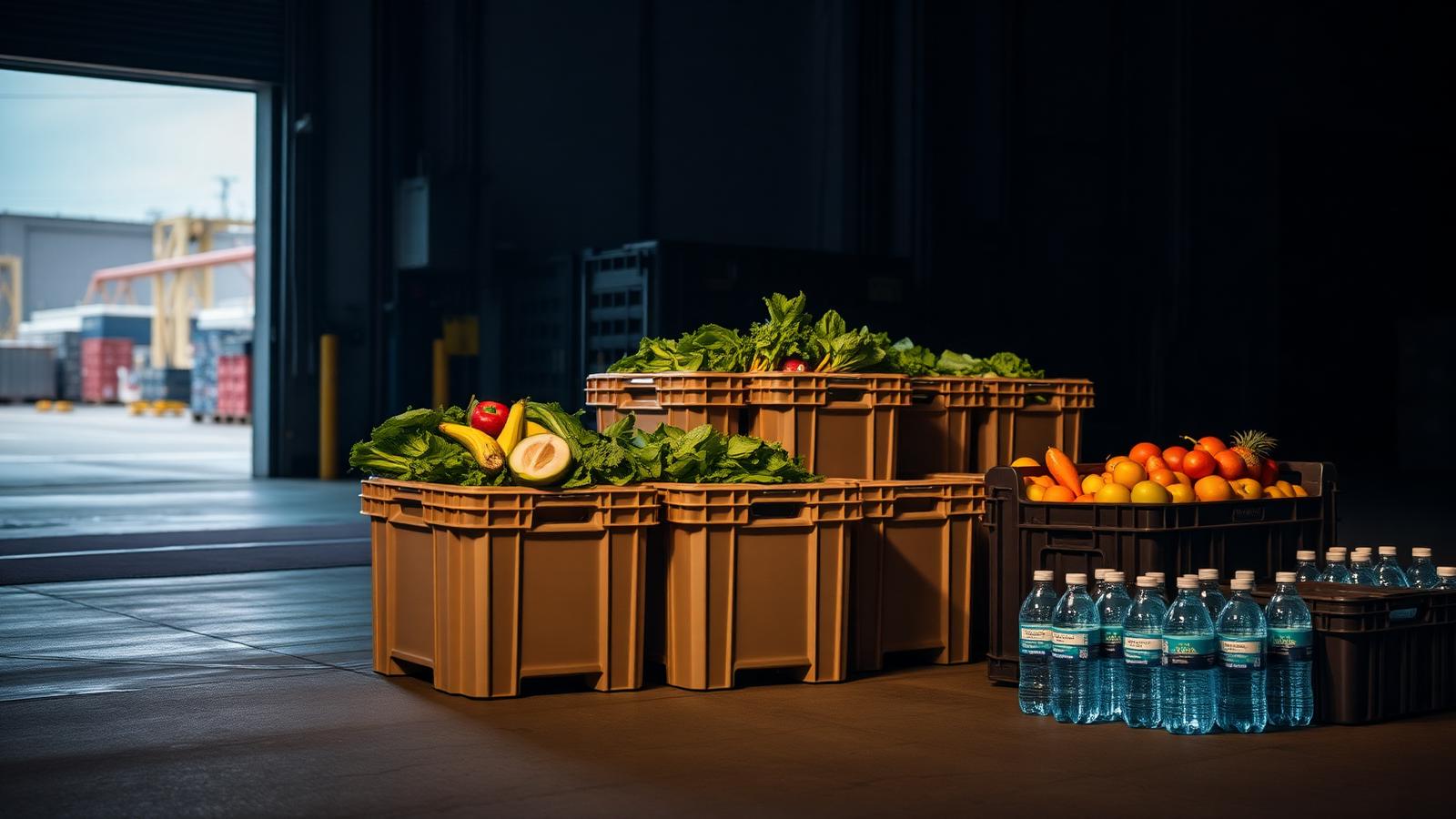
Fresh provisions in the tropics: what 'loaded fresh this morning' should actually mean
The phrase 'loaded fresh' is used loosely on this coast. Here is the operational definition we hold ourselves to — and how to spec it in your RFQ.
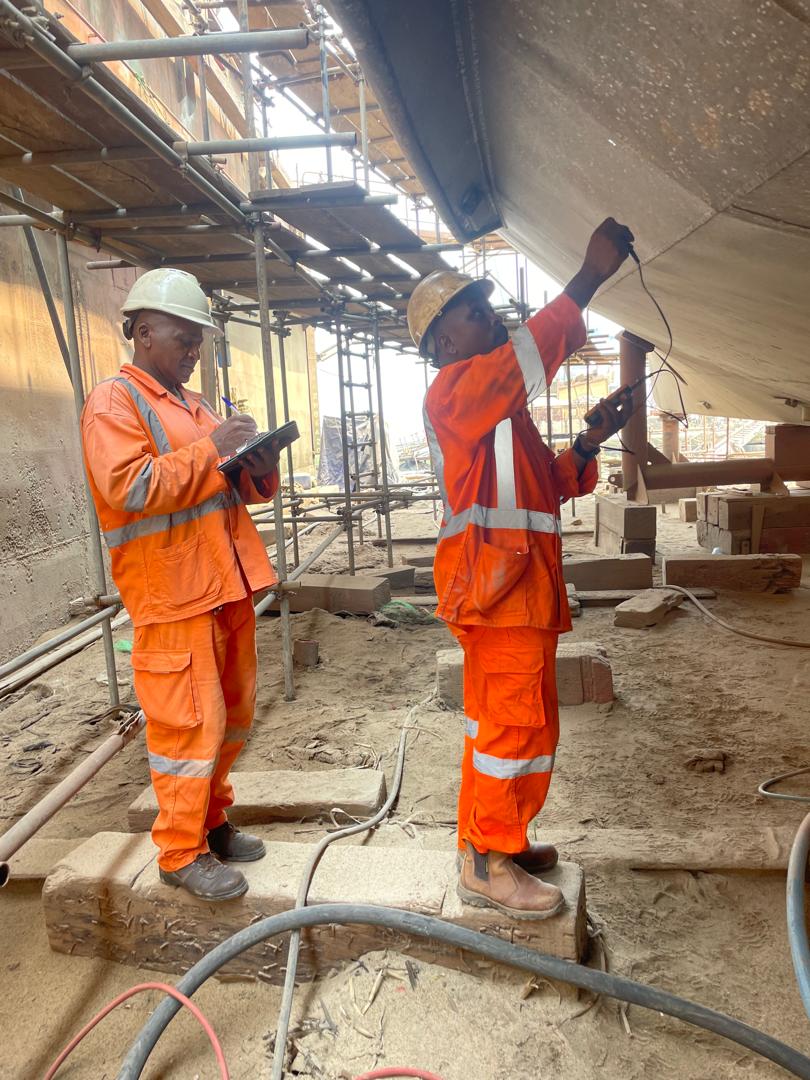
'We found more damage once we opened it' should trigger a phone call, not a bigger invoice
The oldest trick in the marine repair playbook is the scope-creep invoice. Here is what a good contractor does instead.
The shortage we caught before delivery — and why the Master never had to write that email
One consignment, one missing case of eggs, one 06:15 phone call. The kind of small catch that decides whether a chandler is trusted.
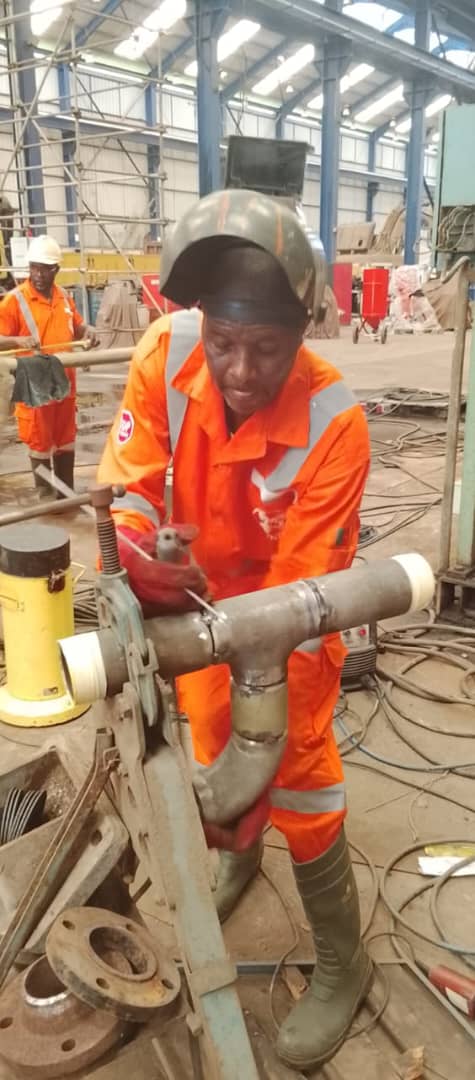
Riding teams explained: maintenance without port time on Gulf of Guinea rotations
When port time is the constraint, riding teams are the answer. What they do, what they cost, and what makes them worth it.
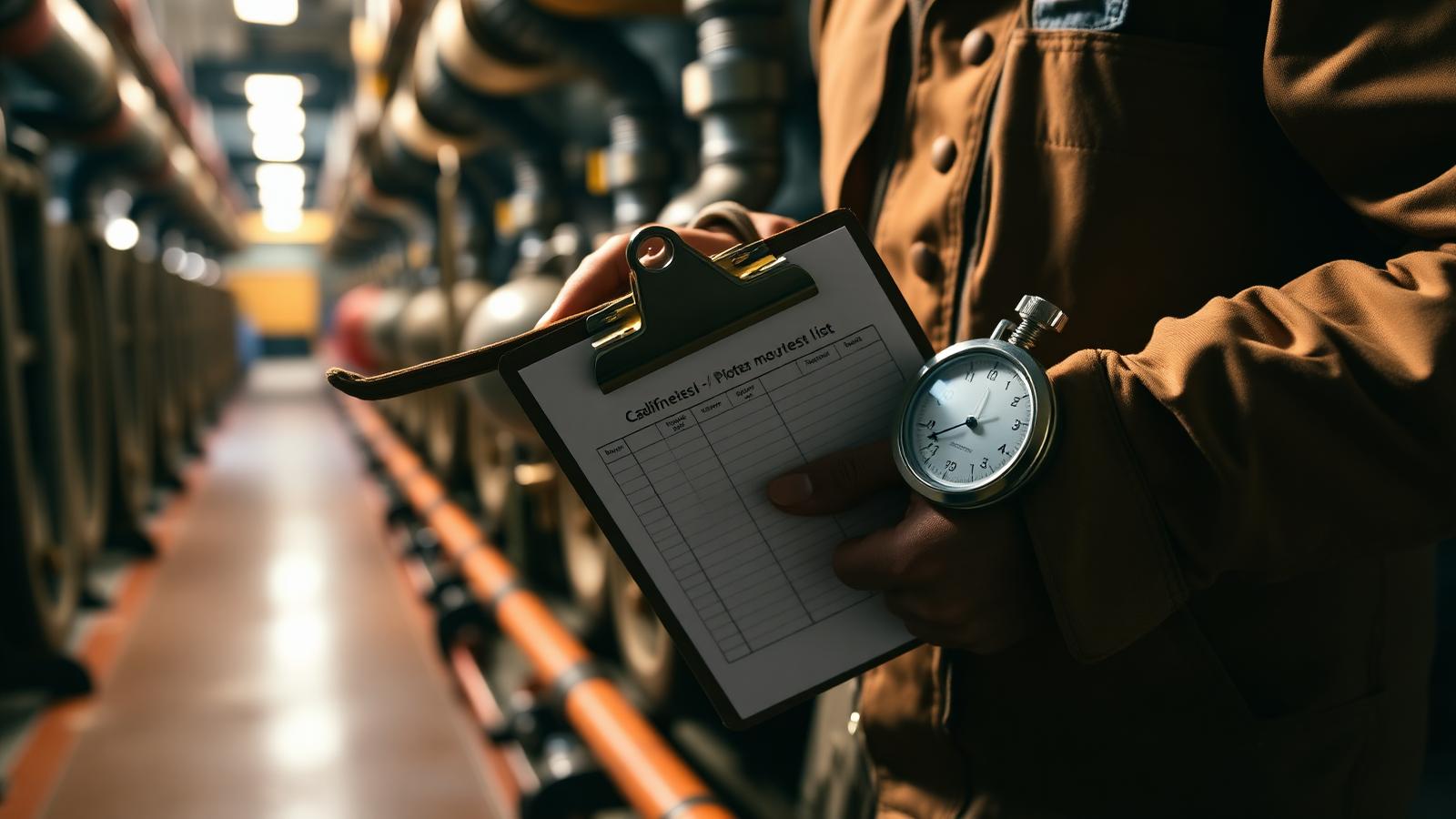
How to read a chandler's quote: the hidden line items that inflate your final invoice
Four line-item categories where the quoted number and the invoiced number rarely match — and how to write the RFQ to close them off.
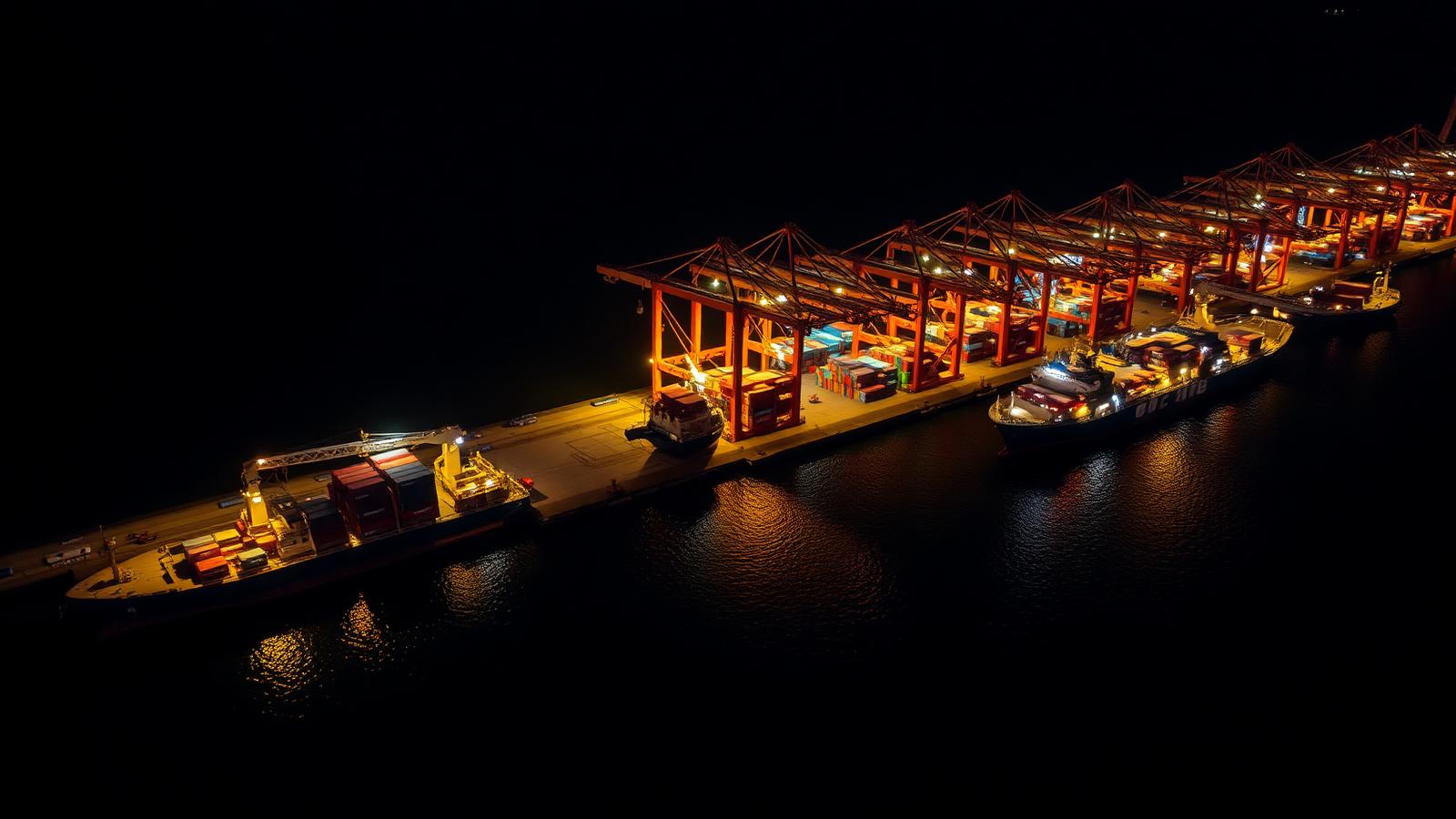
The 02:00 provision order: yes, it happens, here's how we handle it
The middle-of-the-night requisition is the one that decides whether a chandler is real. A walk-through of what actually needs to be true.
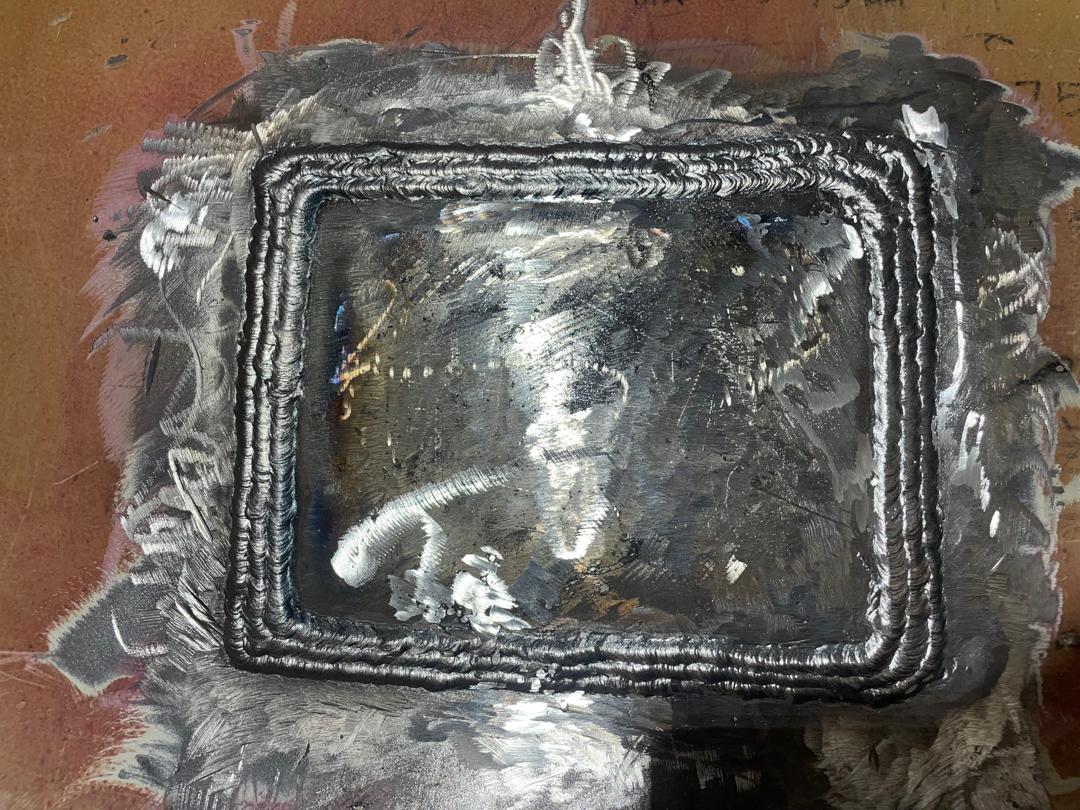
Video: our welder's cert, our procedure, your class file — full traceability in 60 seconds
The document trail a class file needs to accept a repair, walked through end to end. Everything a superintendent should insist on before mobilisation.
What class surveyors look for in a welding repair report — and what makes them reject one
The three fields every surveyor checks first, and the three that quietly get you a rework request instead of an acceptance.
Bonded stores clearance in Douala: the 3 documents that prevent gangway delays
Bonded chandling is a paperwork discipline more than a logistics one. Miss any of these three and the crate stops at the gate.
The real cost of a botched repair discovered mid-voyage
A cheap weld at berth is expensive in blue water. A breakdown of what a rework at sea actually costs — and how to avoid it.
Why we photograph every consignment before it leaves the warehouse
Ten minutes of documentation kills every ambiguous conversation at the gangway. Here is the checklist we photograph against.
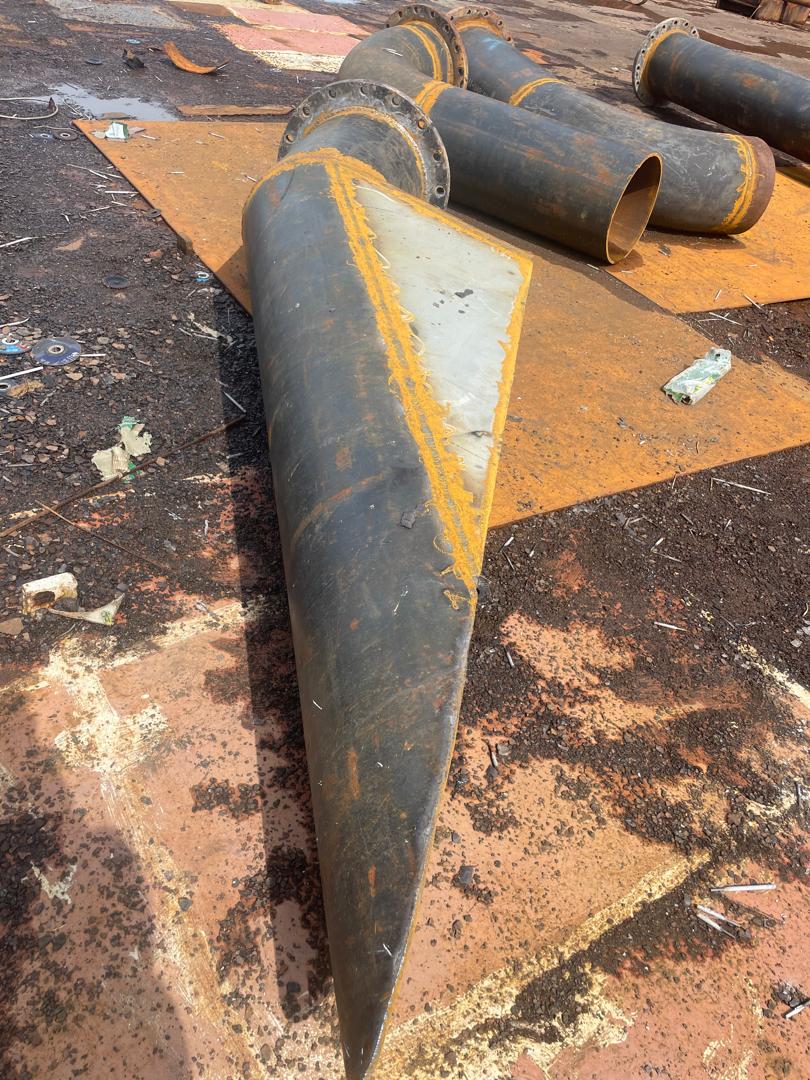
Cracked sea water line at berth: the overnight repair sequence, step by step
A specific defect, a specific night, and the sequence that closes it before the morning watch — with class in the loop the whole way.
What a Filipino crew provisioning list looks like vs a European one — and why getting it wrong costs morale
A crew fed the wrong way for two weeks is a slower crew. The mix of rice, protein, condiments and comfort items varies more than you would think.
'The stores arrive after the pilot boards': anatomy of a failed port call
A step-by-step teardown of how a routine port call collapses when the shore side underestimates the timing. Names removed. Lessons kept.
Case story: full requisition delivered at anchorage in under 6 hours
A container vessel at Douala outer anchorage, a 190-line requisition, and a launch window that was closing. What we did and what it cost.
The 5 repairs you should never let a vessel sail with in the Gulf of Guinea
Some defects can be monitored to next port. These five cannot. If they appear on your list at Douala, close them before sailing.
IMPA codes vs plain-text requisitions: what actually speeds up your quote
IMPA codes solve one class of problem and create another. Here is when to insist on them and when they slow the process down.
Failed pre-departure inspection: your first 60 minutes decide your week
When a PDI or PSC inspection stops the sailing, the first hour of decisions locks in whether you sail tomorrow or next week.
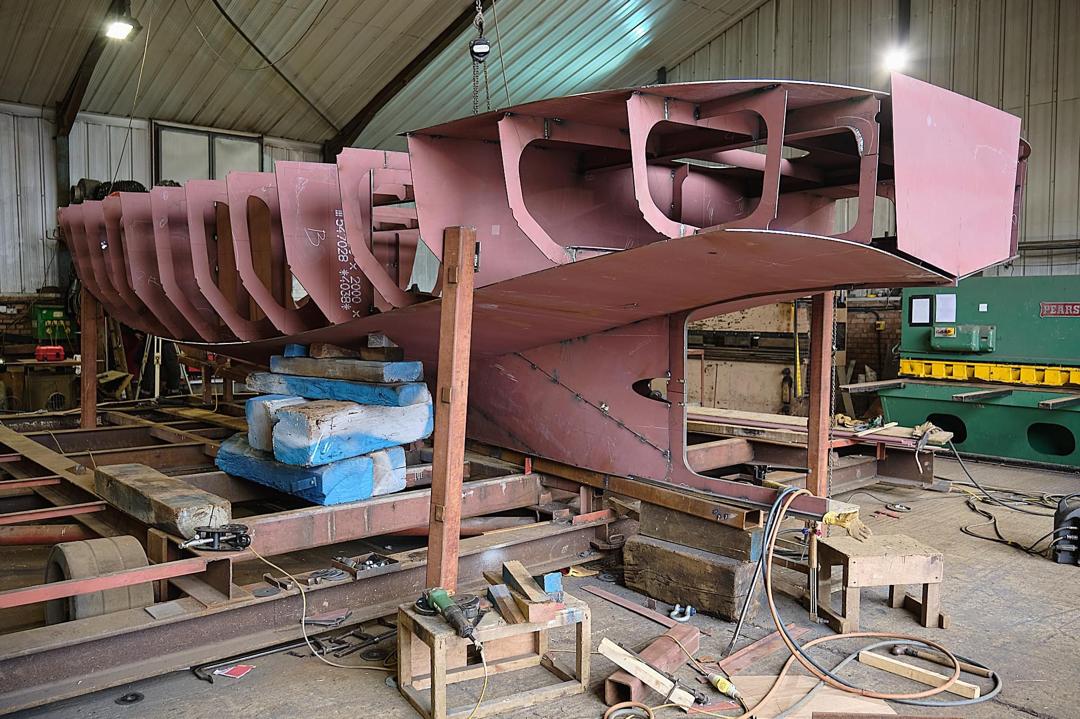
Before/after: hatch coaming renewal completed between arrival and sailing
A 22-metre insert repair sequence closed alongside inside the port stay. Class-approved procedure, full traceability, no diversion.
Why your cold chain dies in the last 200 metres: anchorage transfers in Douala heat
Everything upstream is chilled. Then a boat transfer at 32 °C undoes six hours of discipline. Here is how to protect the last leg.
What one day of delay alongside actually costs at current charter rates
Chandling and repairs are never the biggest line item — the delay they prevent is. A quick model you can share with the office.
This morning's delivery, from market to ship's rail — timestamped
A single walk-through of one requisition, photographed at every handover. Because in this market, the objection is reliability, not price.
Afloat repair vs waiting for a drydock slot: the decision framework superintendents use
The four questions that decide whether a defect gets fixed alongside in Douala this week or waits six months for a slot. None of them are about price.
The 5 items most often delivered short in West African ports — and how to spec around it
The requisition wording that quietly costs you fresh produce, cleaning chemicals and safety consumables at delivery. Fix it once and you stop chasing it every call.
Why we built OptiFresh: the standard this coast deserved
A founder note on what pushed us to start OptiFresh — and the operating standard we refuse to compromise on the Gulf of Guinea.