
The 5 items most often delivered short in West African ports — and how to spec around it
The requisition wording that quietly costs you fresh produce, cleaning chemicals and safety consumables at delivery. Fix it once and you stop chasing it every call.
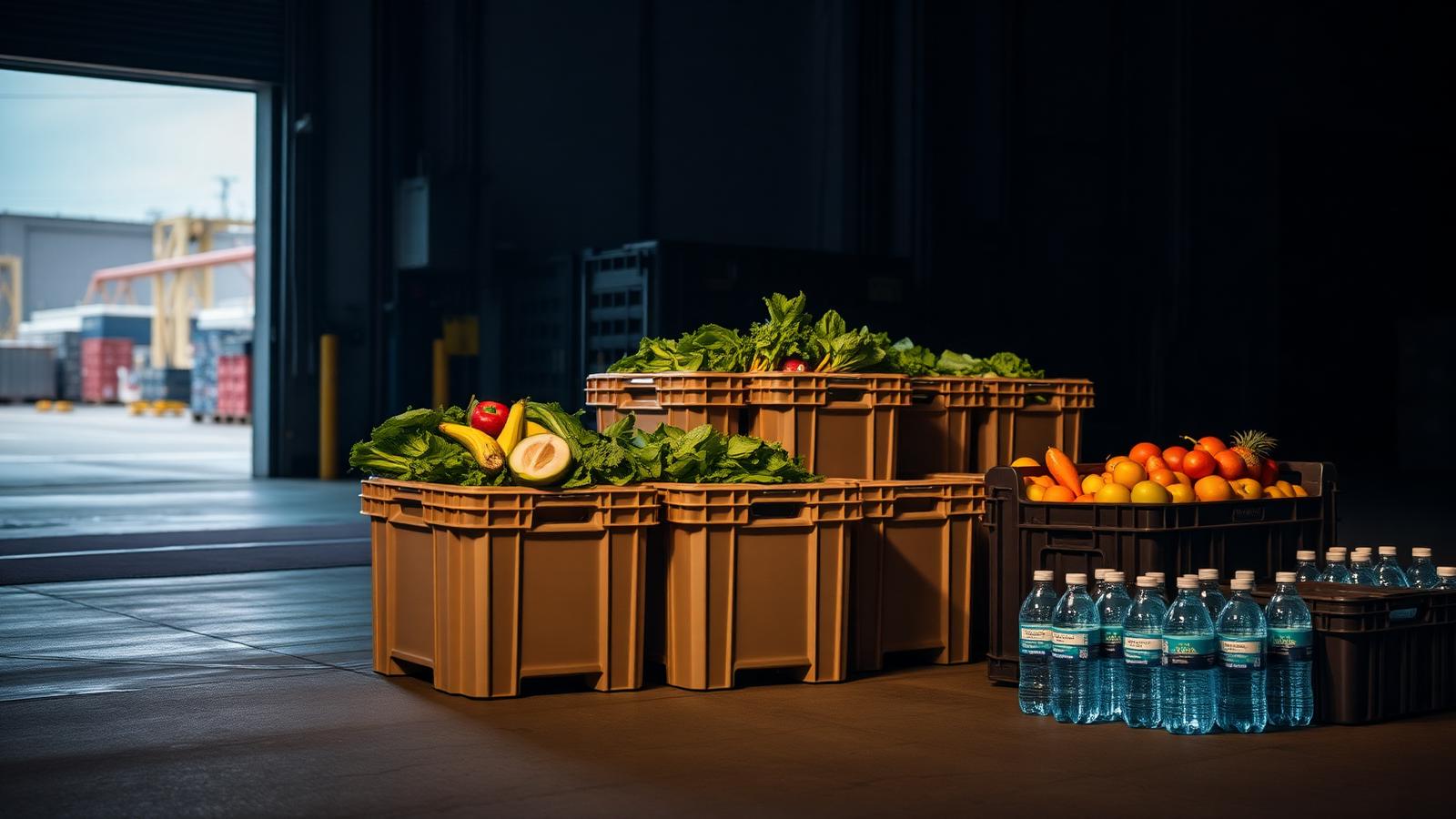
After a few hundred requisitions through Douala, the same five categories account for most of the "short on delivery" complaints. None of them are about theft. All of them are about how the line item was written.
1. Fresh leafy greens and herbs
"Lettuce 5 kg" gets you whatever heads the market has at 05:00 — and in tropical humidity, half of it will not survive the anchorage transfer. Spec the variety (iceberg vs romaine), acceptable outer-leaf loss, and whether wilted stock should be substituted or reported back. A chandler who cannot answer that is guessing.
2. Chicken and beef cuts
"Chicken 20 kg" is not a spec. Whole birds, quarters, boneless breast and MDM are four different products at four different price points, and crews notice the substitution before the Chief Cook even signs. Always include cut, bone-in/out, halal/kosher if relevant, and pack size.
3. Cleaning chemicals
IMPA lists a dozen degreasers that look interchangeable on paper and behave very differently on a galley bulkhead. Quote by IMPA code plus concentration, not by common name. "Multi-purpose cleaner 5 L × 4" is where short shipments hide.
4. Disposable safety consumables
Gloves and dust masks are the classic filler item on a rushed requisition. Spec size distribution (S/M/L/XL split), EN standard, and packaging. Otherwise you get one size, wrong standard, in a torn box.
5. Bonded stores
Cigarettes and spirits move under customs seal and any missing document at the gangway means the whole consignment goes back. That is not a shortage — it is a paperwork failure that reads as one. Confirm bond number, seal number and clearance reference before delivery, not after.
The fix takes ten minutes
Paste your last three requisitions into a spreadsheet and rewrite each line with: IMPA code, unit of measure, pack size, acceptable substitute, and — for perishables — an acceptance window. Save it as a template. Every future call inherits the discipline.
Send us the template and we will quote against it line by line, with substitutions flagged before delivery, not after.