
Fresh provisions in the tropics: what 'loaded fresh this morning' should actually mean
The phrase 'loaded fresh' is used loosely on this coast. Here is the operational definition we hold ourselves to — and how to spec it in your RFQ.
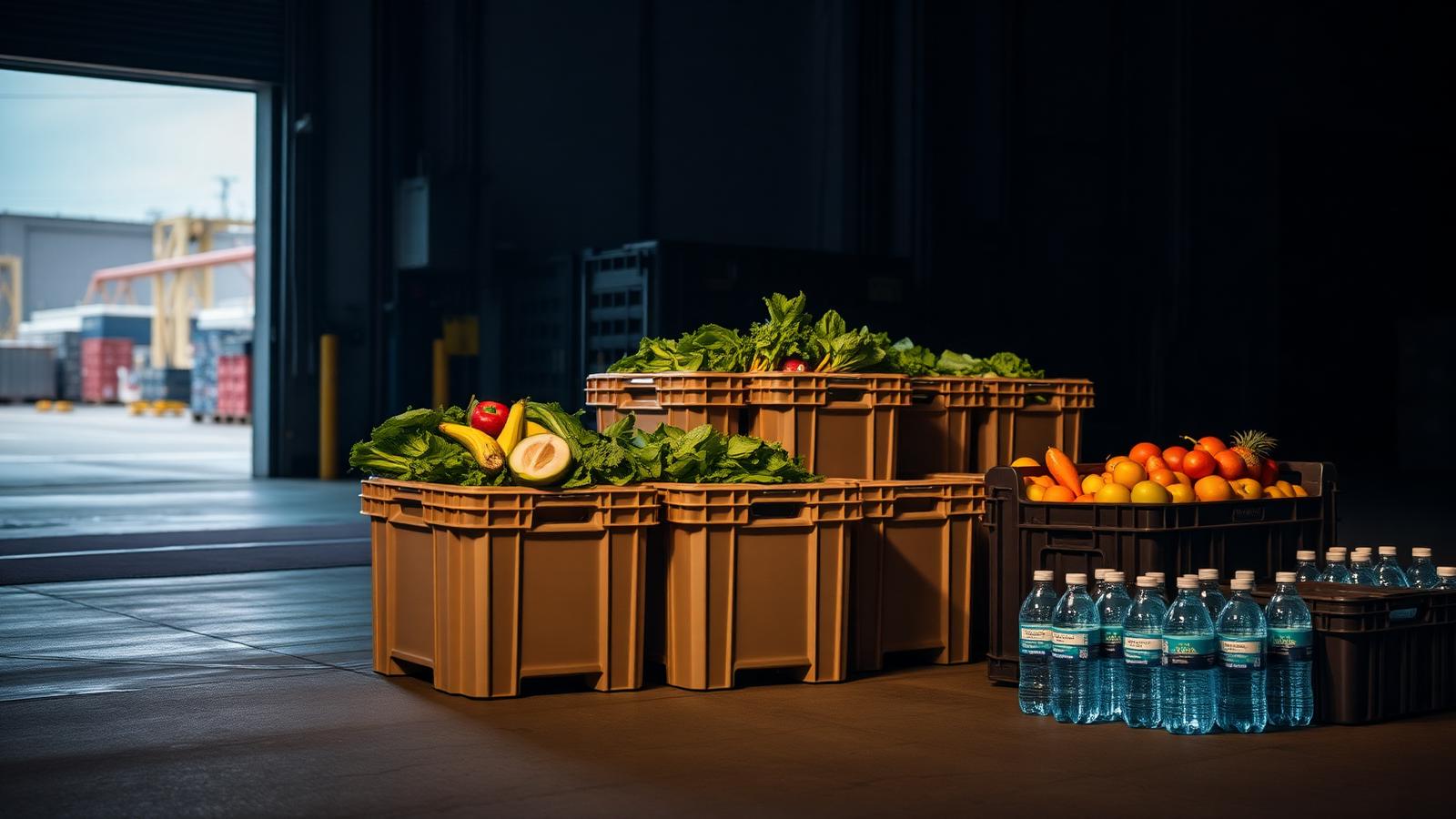
"Fresh" is one of the most abused words in West African chandling. It appears on quotes and delivery notes without much definition, and by the time the Chief Cook opens the crate, everyone has a different idea of what it meant. Here is the operational definition we work to.
What "fresh" means to us
Sourced within the previous 24 hours. Not "same week", not "recent stock". Purchased at wholesale in the morning of delivery or, at the outside, the afternoon before. Photographable at the vendor stall.
Never previously frozen and thawed. Fresh means never frozen, unless the product category (some fish, some prawns) is only supplied frozen — in which case we spec it as frozen and price accordingly.
Temperature-controlled from source. Chilled items go into the chiller truck straight from the vendor, not the back of an open van. Fish especially.
Delivered inside the freshness window. Leafy greens 48 hours, ripe tropical fruit 72 hours, root vegetables 7 days. Anything past window is discounted or replaced, not shipped.
How to spec it in your RFQ
On the requisition line, add:
- Freshness spec: sourced within 24 hours of delivery
- Acceptance criterion: temperature probe at gangway, ≤ 4 °C for chilled
- Substitution policy: any item out of window replaced or reported before dispatch, not delivered
A chandler who cannot accept those terms is telling you what "fresh" actually means to them.
The photo evidence
On our deliveries, "loaded fresh this morning" is documented — vendor stall photo, weigh photo, chill temperature photo, gangway probe photo. All four are in the delivery pack. The Chief Cook opens a crate that matches the pictures.
Send us a specimen fresh requisition and we will quote to a defined freshness spec, with the photo standard included in the price. It is not an extra.