
Afloat repair vs waiting for a drydock slot: the decision framework superintendents use
The four questions that decide whether a defect gets fixed alongside in Douala this week or waits six months for a slot. None of them are about price.
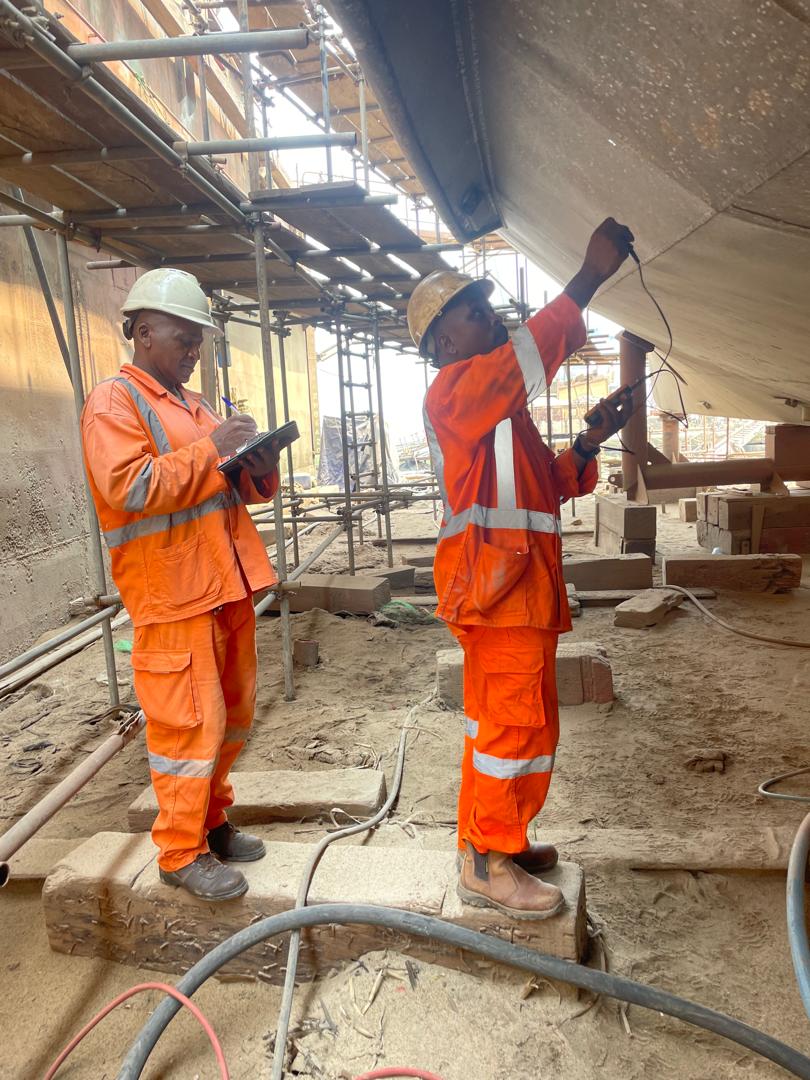
Every superintendent has been in the meeting: a defect is on the list, drydock is months away, and someone asks whether it can be done alongside. The good answers to that question are always structured the same way.
1. Is the repair class-acceptable afloat?
Some jobs can only close under docking — underwater hull work below the waterline, tail-shaft withdrawal, rudder-bearing renewal. Others are perfectly acceptable afloat with the right procedure and NDT: insert plates above the waterline, cropping and renewal of internals, piping renewals, machinery overhaul in place. Start by ringing your class surveyor, not your chandler.
2. Can it wait to the next docking safely?
A hairline crack in a non-critical stiffener may be monitored. A cracked sea water line at berth cannot. The framework is: consequence of failure × probability of failure between now and the scheduled dock. If either is high, afloat repair is the answer regardless of the cost delta.
3. Is the operating window realistic?
An afloat repair at anchorage in the Gulf of Guinea depends on weather, swell, boat transfers, and the vessel's own operational schedule. A job that takes 36 hours alongside can take 72 at anchorage. Get the yard or contractor to commit to a window with contingency, in writing, before you decide.
4. Is the paperwork ready?
This is where afloat repairs quietly fail. Class file, welder certificates, WPS, PQR, consumable traceability — all of it must be current and available for the surveyor. If your contractor cannot produce it before mobilisation, you do not have an afloat option, you have a hope.
When afloat wins
If class accepts the repair, the consequence of doing nothing is unacceptable, the window is realistic and the documentation is ready — you fix it alongside and you save the vessel a diversion. In our experience on the Cameroon coast, that describes about 60% of the work that shows up on defect lists.
When drydock wins
If any of those four are shaky, wait. A botched afloat repair that has to be reworked in dock costs more than the original job, and it dents the surveyor's trust in your yard for the next call.
If you have a defect list and a call into Douala, send it. We will tell you honestly which items we would touch alongside and which we would not.