
Why we built OptiFresh: the standard this coast deserved
A founder note on what pushed us to start OptiFresh — and the operating standard we refuse to compromise on the Gulf of Guinea.
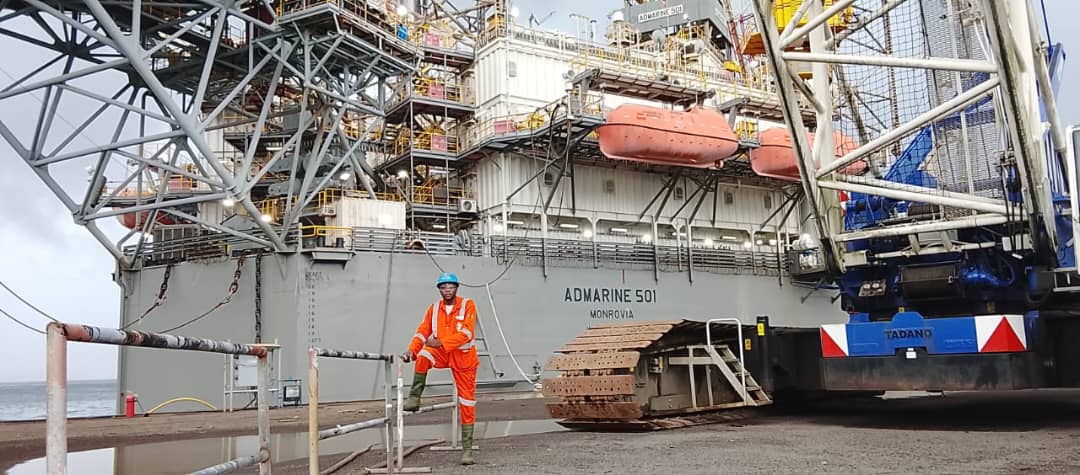
I spent years watching good vessels lose money at Douala for the same reason every time: the shore side did not treat the call with the same discipline the ship did.
Provisions arrived after the pilot boarded. Repair crews turned up without the right electrode. Quotes read like guesswork. Every Master I spoke to had the same look — not angry, just tired of explaining the same thing to a new supplier.
The standard we refused to keep accepting
On a ship, you don't get to be late. You don't get to skip the paperwork. You don't get to guess. Somehow onshore, in this part of the world, all three had become negotiable. That gap is what we built OptiFresh to close.
We made three commitments to ourselves before we ever answered a phone:
- One number, answered 24/7, by a human who can act.
- Everything documented — photos of the consignment, welding traceability, delivery timestamps — before it becomes an argument.
- Chandling and repairs under one roof, so no one plays the "not our part" card at 03:00.
What that looks like on the ground
It looks like a coordinator with a phone that does not go to voicemail. It looks like a warehouse that photographs every crate before it leaves. It looks like welders with current certificates on file and a class-ready procedure for the job you actually called about.
It looks, mostly, like nothing dramatic. A port call that goes exactly the way the plan said it would. That is the product.
What comes next
We will keep writing here — mostly about the boring, useful things. How to spec a requisition so nothing arrives short. What class actually wants in a weld report. Why the last 200 metres of your cold chain is the one that kills it.
If you have a call coming into Douala, Kribi or Limbe, message us on WhatsApp. We would rather earn one shipment on the record than sell you on a promise.